Knowledge base
Slimme brievenbus of klassieke brievenbus?
You do not choose a mailbox every year, so it pays to take a moment to think about what you really need. Is it mainly about a calm, timeless facade appearance, or do you also want to receive parcels securely without driving to a pickup point? Below, we calmly set out the difference between a smart and a classic mailbox.
What makes a mailbox smart?
A classic mailbox does one thing well: it collects mail behind a sturdy flap. A smart mailbox adds something to that. It combines the same simplicity with a few well-considered extras, such as a parcel compartment where a courier can leave larger shipments, or a combination lock that lets you manage access without a loose key.
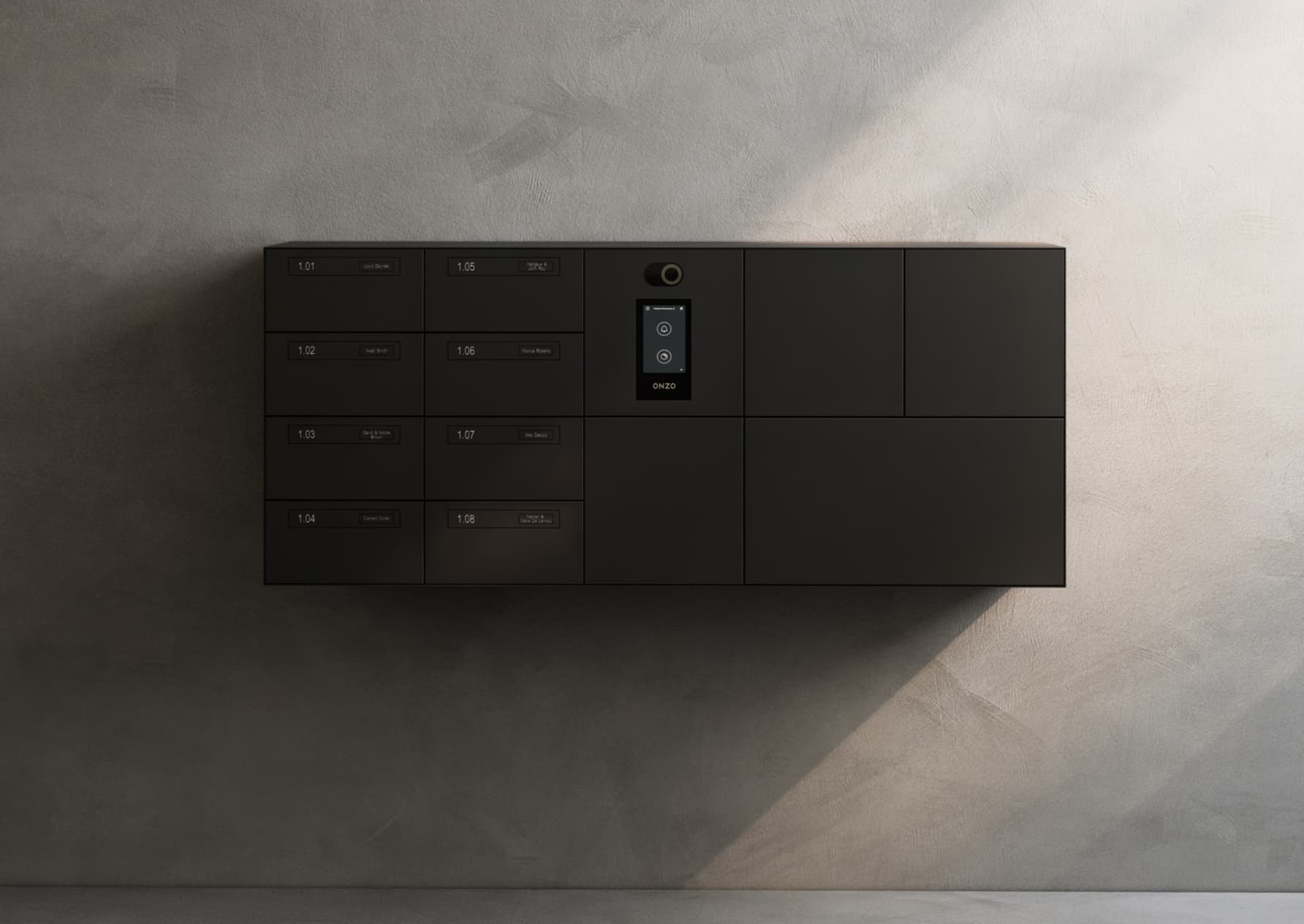
You can see that difference in the way the models are built. The simple versions focus on letters and remain visually calm on the facade. The models with a parcel compartment or combination lock add ease of use for those who order online more often or do not want to hand over a key. It is not a question of better or worse, but of which use suits your household.
Important to know: the mailboxes you see on this site come from one family of designs in the same design language and materials. That way you never compare apples with oranges.
The difference in practice: parcel compartment, combination lock and placement
The most noticeable difference lies in what fits in the box. A classic mailbox is geared to envelopes and magazines. A smart mailbox with a parcel compartment gives couriers the space to leave a package that would otherwise be offered again. That saves trips and uncertainty, especially if you are often away during the day.
A combination lock responds to that. You do not hand over a physical key, but a code you can change yourself. Handy for family members, neighbours or a cleaner, and just as easy to withdraw again. Note, however: no mailbox is completely theft-proof. A lock raises the threshold, but does not replace common sense when leaving valuable shipments.
Placement differs too. A classic box often hangs in the front door or next to the door, close to the letter flap. A larger model with a parcel compartment requires more space and a sturdy, flat surface, for example at the street side or in a wall. Think in advance about accessibility for the postman and about how the box affects the look of the facade. For everything concerning mail delivery and accessibility, we gladly refer you to bpost or a recognised sales point.
How to arrive at a choice
Start with your daily reality. If you mainly receive letters and an occasional magazine, a classic mailbox is enough and you keep the facade looking calm. If you order online regularly, or if you work with changing access for others, then a parcel compartment and a combination lock weigh more heavily.
Then look at material and maintenance. Belgian aluminium lends itself to clean lines and a long lifespan. If you want the box in a specific shade, there is a wide colour palette of more than 2000 RAL colours, so the model blends into the facade or becomes an accent. That colour choice applies to the models in this guide, not to just any mailbox.
Still in doubt? Start the selection tool. It guides you in a few steps through your use, your facade and your preferences, and brings you to the model that fits best. That way you avoid buying on impulse and choose with confidence.
Further reading: Combination lock · Smart mailbox · Start the selection tool
Direct antwoord
What is the difference between a smart and a standard mailbox?
A standard mailbox mainly collects letters and magazines behind a flap. A smart mailbox adds ease of use, such as a parcel compartment for larger deliveries or a combination lock instead of a physical key. You will find both types in the same design language, so you choose based on your daily use and not on appearance alone.
Frequently asked questions
Good to know
- Do I really need a parcel compartment?
- That depends on how much you order online and whether you are at home during the day. If you often receive parcels that would otherwise be offered again, a parcel compartment makes the difference. If you rarely receive anything larger than an envelope, a classic mailbox is often the calmer choice.
- Is a mailbox with a combination lock safer?
- A combination lock raises the threshold and lets you manage access without handing over a key. Yet no mailbox is completely theft-proof. See the lock as an extra layer, not as an absolute guarantee, and preferably have valuable deliveries handed over in person.
- Which colours are possible for the models?
- Belgian aluminium offers a broad palette of more than 2000 RAL colours, so you can match the mailbox to the facade or make it stand out. That freedom of choice applies to the models shown. If you want certainty about availability, an recognised sales point will confirm the options for your model.
Which mailbox suits you?
Go through the selection guide or find an recognised sales point near you.